
What’s Involved in Professional Land Clearing?
People searching for professional land clearing are typically looking to remove trees, brush, and obstacles to prepare land for development, with local contractors providing expert equipment and services to efficiently handle the job.
Understanding what’s involved in professional land clearing can provide valuable insight for property owners considering this important step. Whether preparing a site for construction, agriculture, or simply to improve land usability, land clearing involves more than just removing trees and brush. It requires careful planning, the right equipment, and knowledge of local regulations, which local contractors are well-equipped to handle. Exploring this topic helps property owners appreciate the scope of the work and highlights how experienced service providers can efficiently manage the process to meet specific land use goals.
For those in the area thinking about clearing a property, knowing what’s involved can clarify the benefits of working with local contractors who specialize in land clearing services. These professionals bring practical expertise in assessing land conditions, safely removing obstacles, and preparing the site for its next purpose. By understanding the process, property owners can make informed decisions and find trusted service providers who can handle the job effectively, ensuring the land is ready for whatever plans are next.
- Site preparation - when clearing land for construction or development, local contractors handle debris removal and grading to prepare the site effectively.
- Tree removal - property owners needing to remove hazardous or unwanted trees can rely on local pros to safely cut and remove large trees and stumps.
- Brush and weed clearing - for agricultural or landscaping projects, local service providers clear overgrown brush and invasive plants to create open space.
- Land grading and leveling - when establishing a flat, stable foundation, local pros perform grading to ensure proper drainage and even terrain.
- Fence line clearing - property owners planning fencing projects can have local contractors clear vegetation along property boundaries for a clean, accessible line.
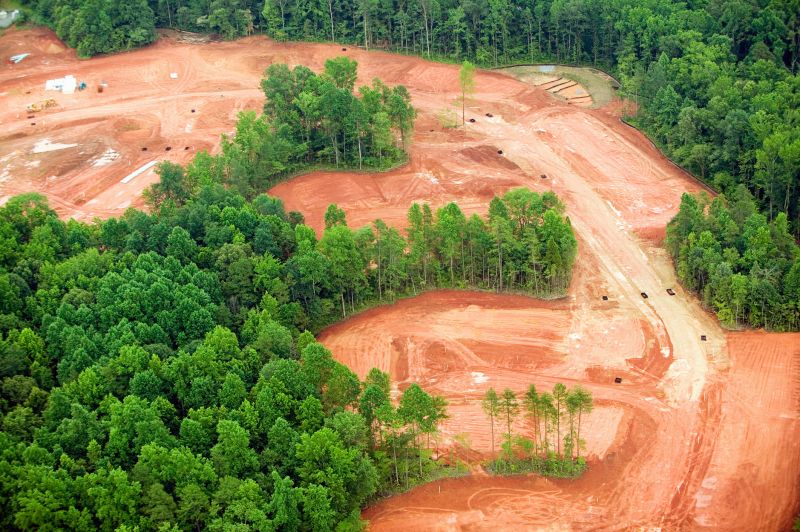
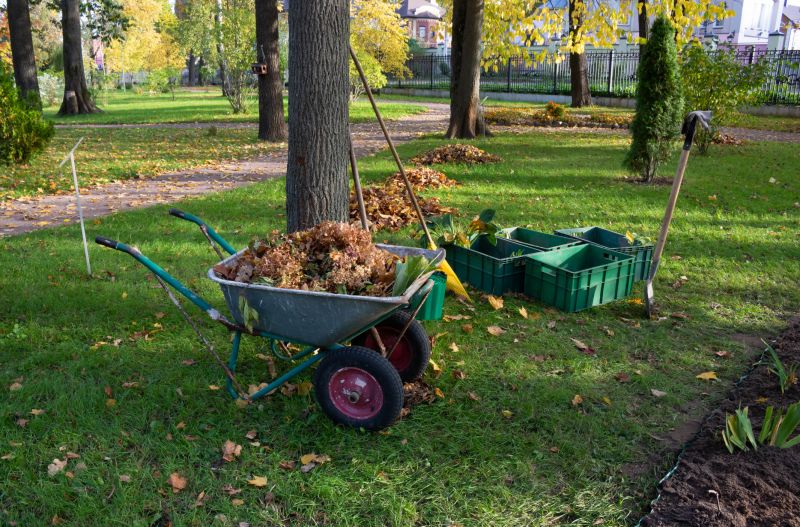
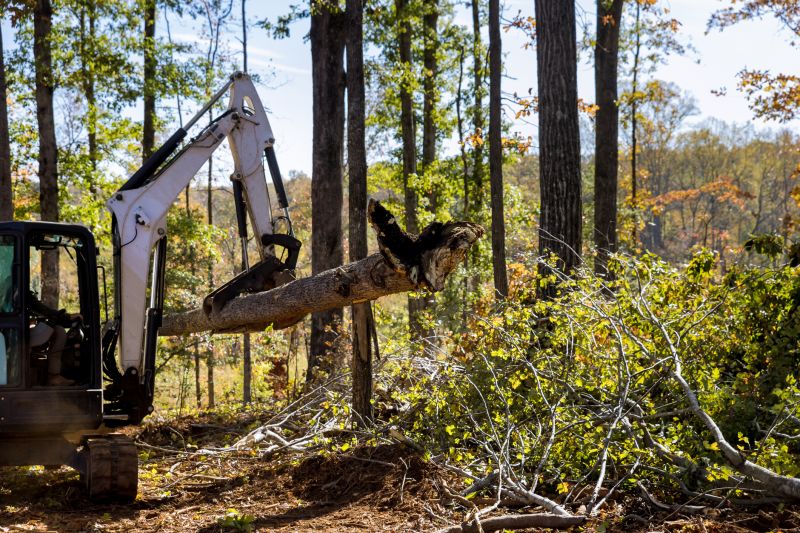
When people search for what’s involved in professional land clearing, they are usually trying to understand the scope of work needed to prepare a property for development, construction, or other projects. This process often involves removing trees, bushes, and other vegetation to create a clear, level area. Homeowners or property owners may be considering land clearing to build a new home, install a driveway, or create space for recreational use. Understanding what’s involved helps them gauge what to expect and how local service providers can assist in efficiently preparing the land for their specific plans.
Land clearing projects can present various challenges that need to be addressed carefully. For example, properties with dense tree growth, thick underbrush, or large stumps require specialized equipment and techniques. Sometimes, there are obstacles such as rocks, roots, or even existing structures that must be managed during the clearing process. The plans behind land clearing often involve removing unwanted vegetation while preserving certain trees or features, depending on the project goals. Local contractors who specialize in land clearing are experienced in handling these problems, ensuring the work is done safely and effectively, with minimal impact on the remaining landscape.
The types of properties that typically come up for land clearing vary widely. Residential lots, especially those that are undeveloped or overgrown, often need clearing before construction can begin. Larger parcels of farmland or ranch land may require extensive clearing to make way for new buildings, fencing, or pasture management. Commercial properties, including sites for retail or industrial development, also often need thorough clearing to meet zoning and planning requirements. Regardless of property size or type, professional land clearing involves assessing the land’s unique features and developing a plan that addresses the specific needs of the project, with local service providers ready to handle the job efficiently.
In most cases, land clearing is a critical first step in transforming a raw, overgrown property into a usable space. Local pros bring the necessary equipment and expertise to handle a variety of land conditions and project goals. They can clear trees, brush, and debris, remove stumps, and level the ground to prepare for construction or landscaping. Understanding what’s involved in professional land clearing helps property owners make informed decisions about their projects. Connecting with experienced local contractors ensures that the work is done properly, allowing the property to be safely and effectively prepared for its next phase.
Tree Removal Projects - tree removal involves using specialized tools and planning to safely eliminate large trees, a skill closely related to land clearing efforts.
Brush Clearing Services - clearing thick brush and undergrowth requires similar techniques and equipment as land clearing, often handled by local contractors experienced in vegetation management.
Stump Grinding Projects - stump grinding is a common follow-up to land clearing, involving the removal of remaining tree stumps to prepare land for future use.
Site Preparation for Construction - preparing land for building involves clearing, grading, and leveling, which aligns with the skills used in professional land clearing.
Debris Removal and Hauling - removing and disposing of cleared vegetation and debris is a key part of land clearing projects, handled by local service providers with the right equipment.
Forestry Mulching Services - using forestry mulchers to clear land efficiently is a related service that shares techniques with land clearing, often performed by specialized contractors.
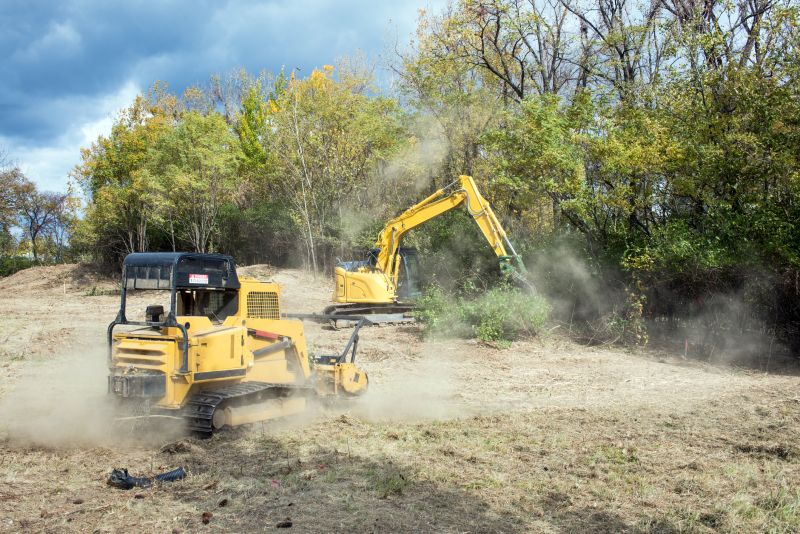
When evaluating local contractors for land clearing projects, it’s important to consider their experience with similar types of work. Homeowners should inquire about the scope of projects the service providers have handled and whether they have a track record of successfully completing land clearing tasks comparable to the property’s size or terrain. An experienced contractor is more likely to understand the complexities involved and can provide insights into potential challenges, ensuring the project progresses smoothly and meets expectations.
Clear and detailed written expectations are essential when comparing land clearing services. Homeowners should seek proposals that outline the specific work to be performed, including the methods, equipment, and scope of clearing. This transparency helps prevent misunderstandings and provides a basis for comparing different service providers fairly. A reputable contractor will communicate their approach clearly and be willing to address any questions or concerns, making sure that everyone is aligned on what the project entails.
Reputable references and strong communication are key indicators of reliable land clearing service providers. Homeowners are encouraged to ask for references from past clients who had similar projects completed. This can provide insights into the contractor’s professionalism, quality of work, and ability to meet deadlines. Additionally, good communication throughout the process-prompt responses, clarity in explanations, and willingness to listen-can significantly impact the overall experience, helping ensure the project is managed effectively and expectations are consistently met.
Property owners often search for what’s involved in professional land clearing? when they are planning practical projects around their homes and businesses. Local pros provide Professional Land Clearing services for everyday jobs and straightforward project options.
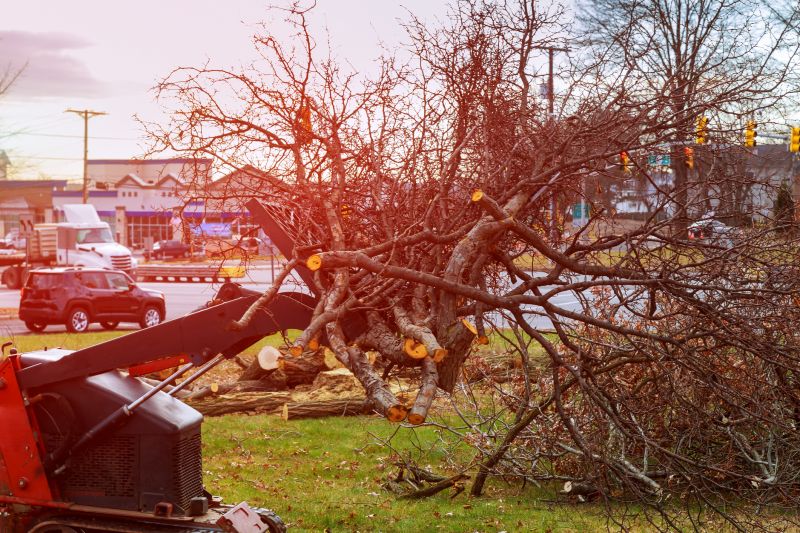
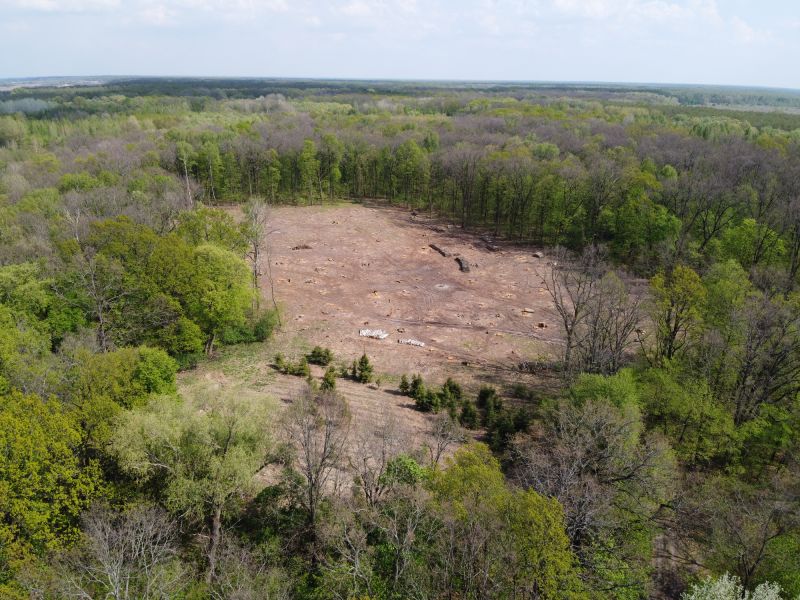
Understanding what’s involved in professional land clearing can help property owners prepare for large-scale projects or site preparation needs. Typically, this process includes removing trees, shrubs, and other vegetation, as well as leveling the land to create a suitable foundation for construction, agriculture, or landscaping. Local contractors often use specialized equipment to efficiently clear the land while minimizing disruption to the surrounding area. Property owners might look into these services when preparing a site for new development, managing overgrown areas, or simply clearing space for future use.
Many property owners turn to local service providers to handle land clearing because it can be a complex task that requires experience and proper equipment. Professional land clearing involves assessing the site, removing obstacles, and ensuring the land is properly prepared for its intended purpose. Whether dealing with dense wooded areas or overgrown lots, local contractors can help streamline the process and ensure the work is done safely and effectively. This makes it easier for property owners to achieve their project goals without the hassle of managing heavy machinery or navigating local regulations on their own.
What’s involved in professional land clearing? Professional land clearing typically includes removing trees, shrubs, stumps, and debris to prepare the land for development or other uses. Local contractors use specialized equipment to efficiently clear the area while minimizing environmental impact.
What equipment do land clearing services use? Land clearing services often utilize heavy machinery such as bulldozers, excavators, skid steers, and mulching equipment to handle different aspects of the clearing process, ensuring thorough and efficient work.
Are there different methods of land clearing? Yes, methods can vary depending on the site and project needs. Common techniques include mechanical clearing, mulching, and controlled burning, with local service providers choosing the best approach for each situation.
What steps are involved in the land clearing process? The process generally involves site assessment, removal of trees and vegetation, stump grinding, debris disposal, and grading. Local pros coordinate these steps to ensure the land is properly prepared.
How do professionals handle debris after clearing? Debris is typically chipped, mulched, or removed from the site. Local contractors may also offer options for recycling or disposing of leftover materials in an environmentally responsible manner.
Assessing land conditions - Professionals evaluate the terrain, vegetation, and soil types to determine the most effective clearing methods for a property.
Selecting appropriate equipment - Land clearing experts choose the right machinery, such as bulldozers or excavators, to handle different types of clearing projects efficiently.
Removing trees and debris - Local contractors safely cut, grind, and remove trees, brush, and other obstacles to prepare the land for future use or development.
Managing waste and disposal - Professionals handle the proper disposal or recycling of cleared materials, ensuring the land is clean and ready for its next purpose.
If you are thinking about what’s involved in professional land clearing? for a property, this guide is meant to help you understand this topic, the typical project types, and how different options might fit your plans.
When you are ready, you can use the quote form on this page to share a few details about your project. From there, local pros can review the basics and follow up with options that match what you have in mind.